
Why Food Safety Training Makes Event Jobs Easier and More Valuable in Singapore
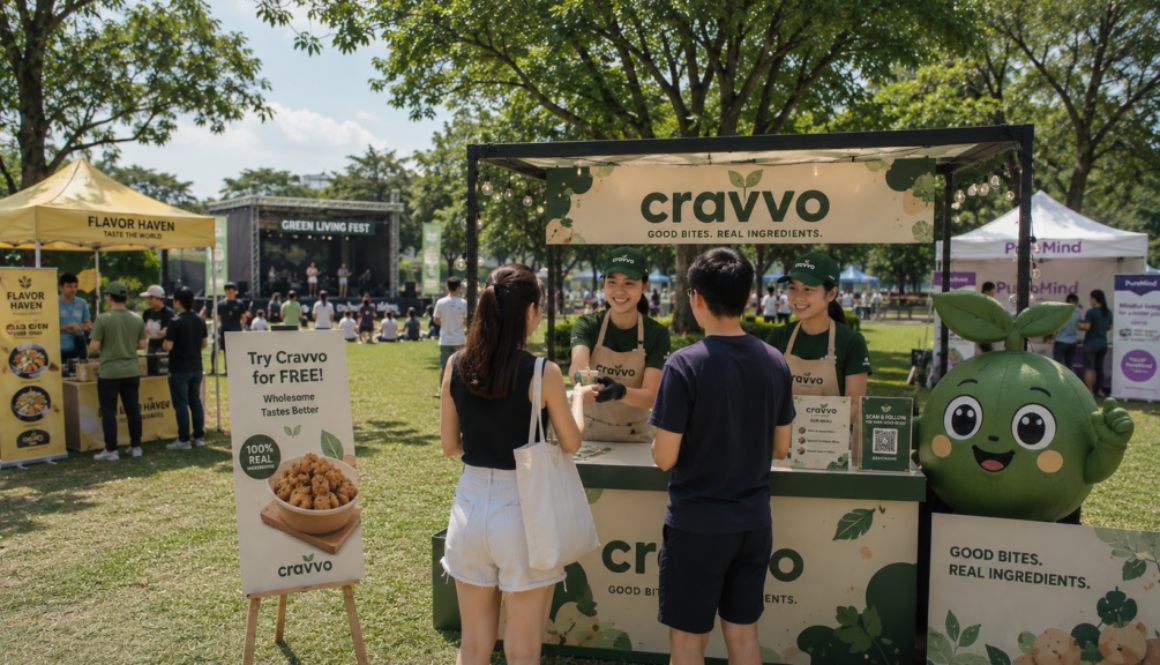
Walk through any food fair, pop-up event, night market, roadshow, or festival in Singapore, and you will notice something interesting.
Before customers taste the food, they are already making judgments.
They look at the cleanliness of the booth. They observe how staff handle food. They notice whether the serving area is organised and hygienic. In many cases, these first impressions determine whether someone approaches the booth at all.
This is why cleanliness and tidiness have become one of the most important priorities in food event management.
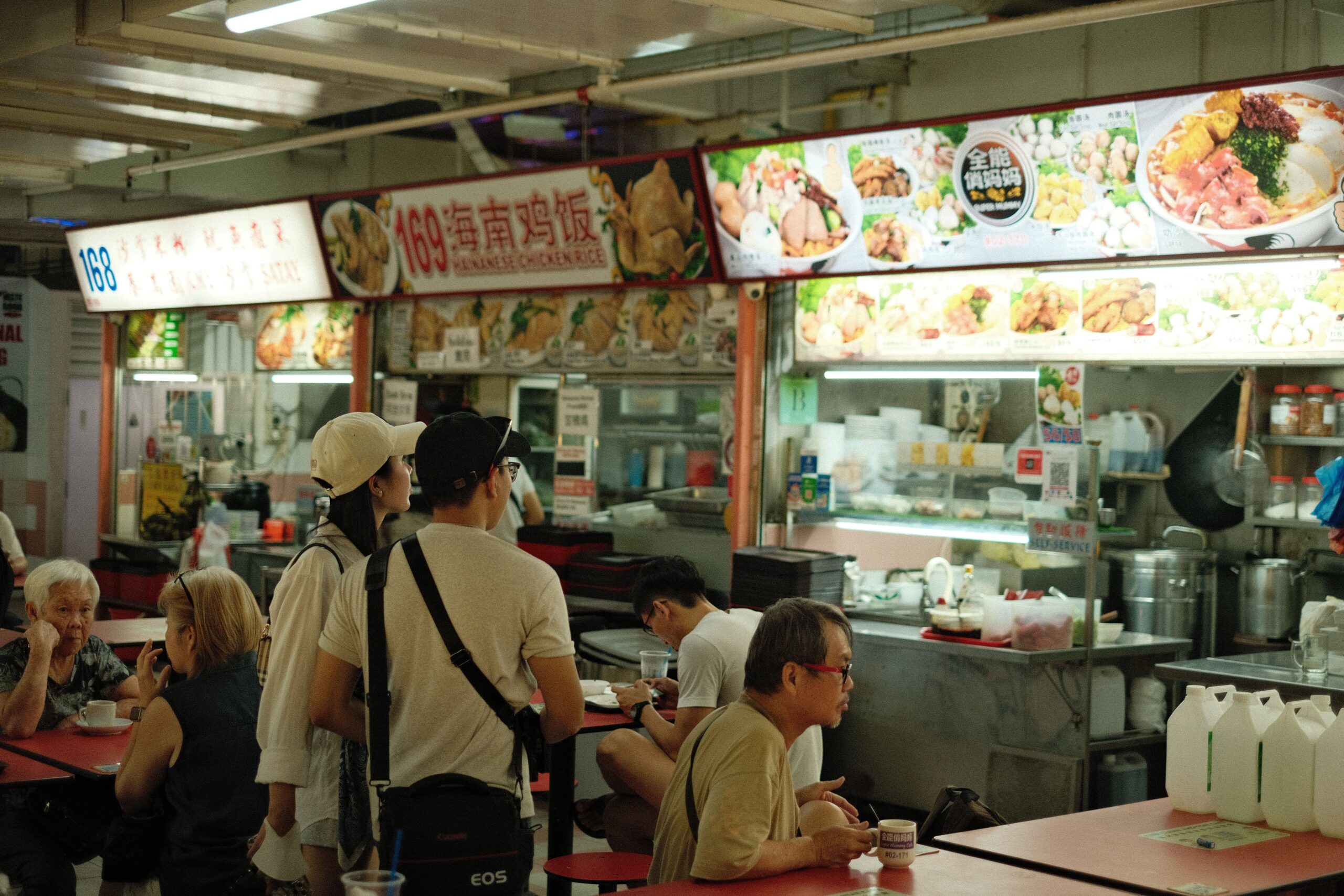
Singapore takes food safety seriously. According to the Singapore Food Agency (SFA), all food handlers working in licensed food establishments must attain the WSQ Food Safety Course Level 1 certification before handling food. This applies to workers in hawker stalls, food stalls, restaurants, food manufacturers, and food processing facilities. The certification remains valid for five years before retraining is required to ensure food handlers continue practising proper food hygiene standards.
Food operators are also expected to comply with strict hygiene requirements. Since 2022, operators of self-service buffet settings have been required to provide adequate hand sanitisers or disposable gloves for customers and food handlers. Failure to comply may result in suspension or revocation of food licences.
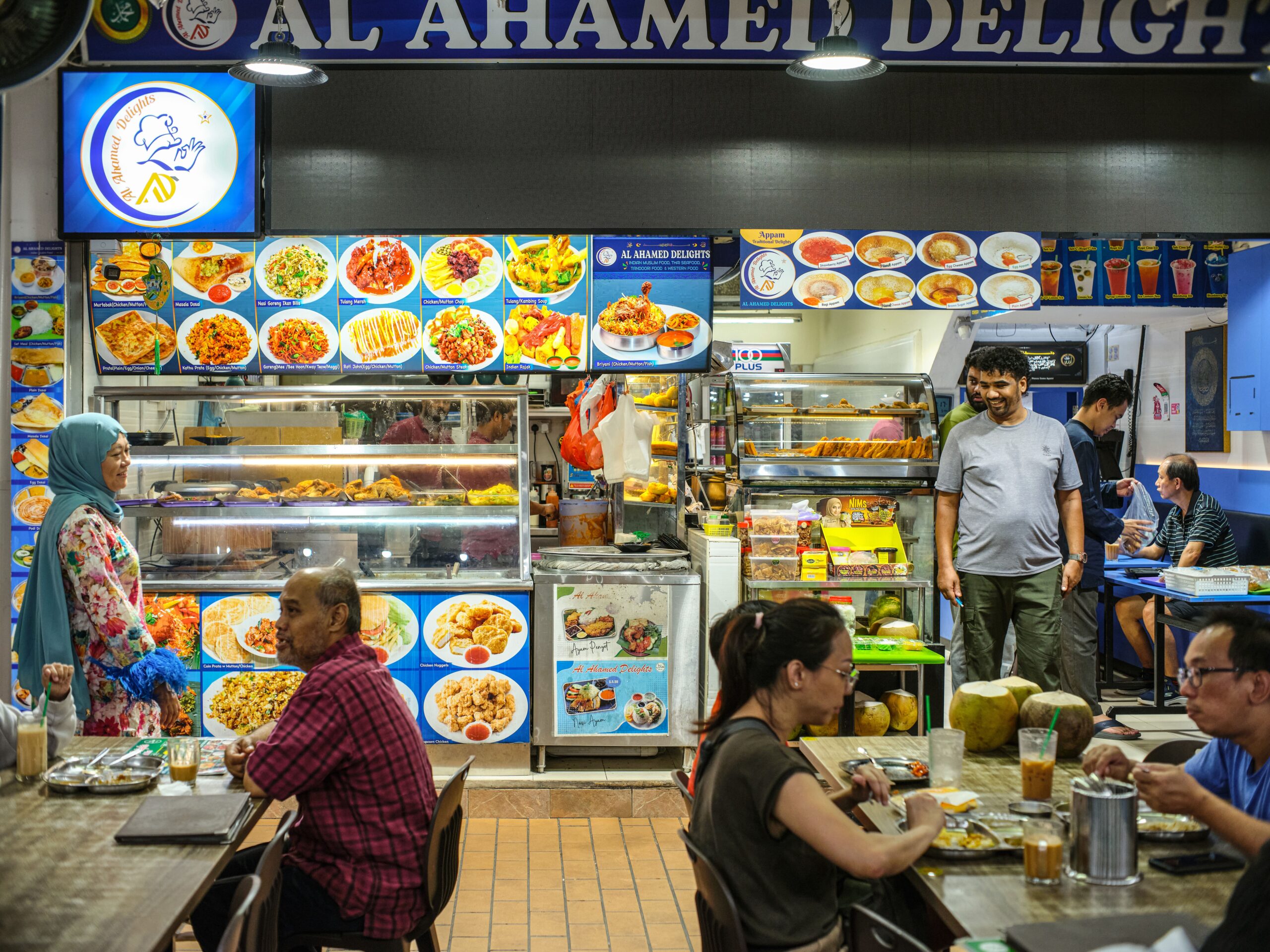
Behind these regulations is a simple goal: protecting public health and maintaining customer trust.
For part-time workers and event crew, food safety training does more than fulfil a requirement. It helps them become more confident, professional, and effective when working at food-related events.
Why Food Safety Training Benefits Event Staff
Working at a food booth is not that straightforward. What people see is that you serve food, answer questions, and keep the booth running. What they don’t see is that a food booth or food stall should also maintain its cleanliness.
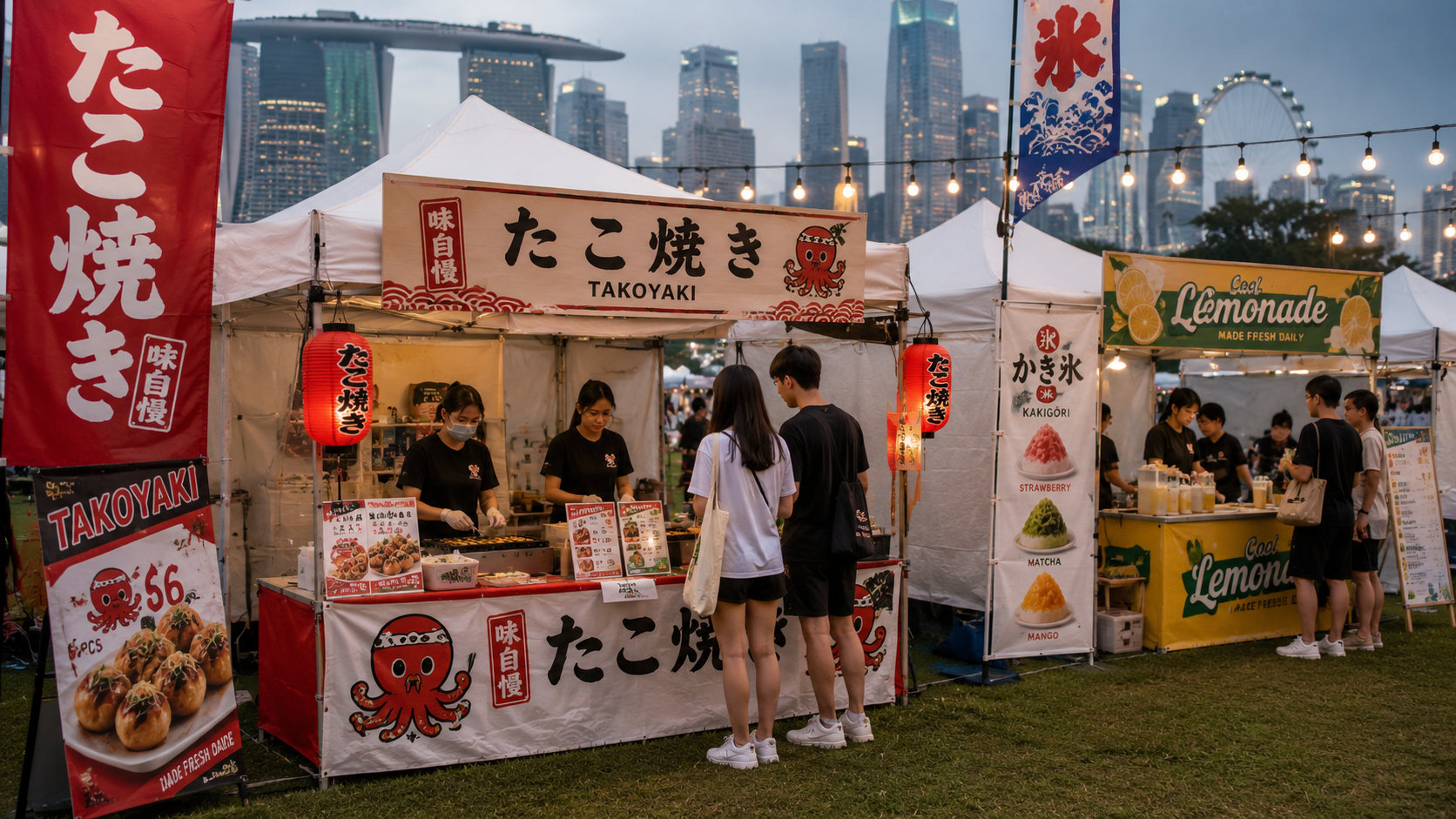
Experienced event organisers know that food-related events present unique challenges. Customers often form their first impression within seconds. If a booth looks untidy or staff appear unfamiliar with hygiene procedures, potential customers may decide to walk away before even looking at the menu.
This is where food safety training becomes valuable. Food booth staff learn proper food handling techniques, personal hygiene practices, cleaning responsibilities, and methods for maintaining a safe and organised work environment throughout an event. These skills help them carry out their duties with greater confidence and ensure that hygiene standards remain consistent even during busy periods.
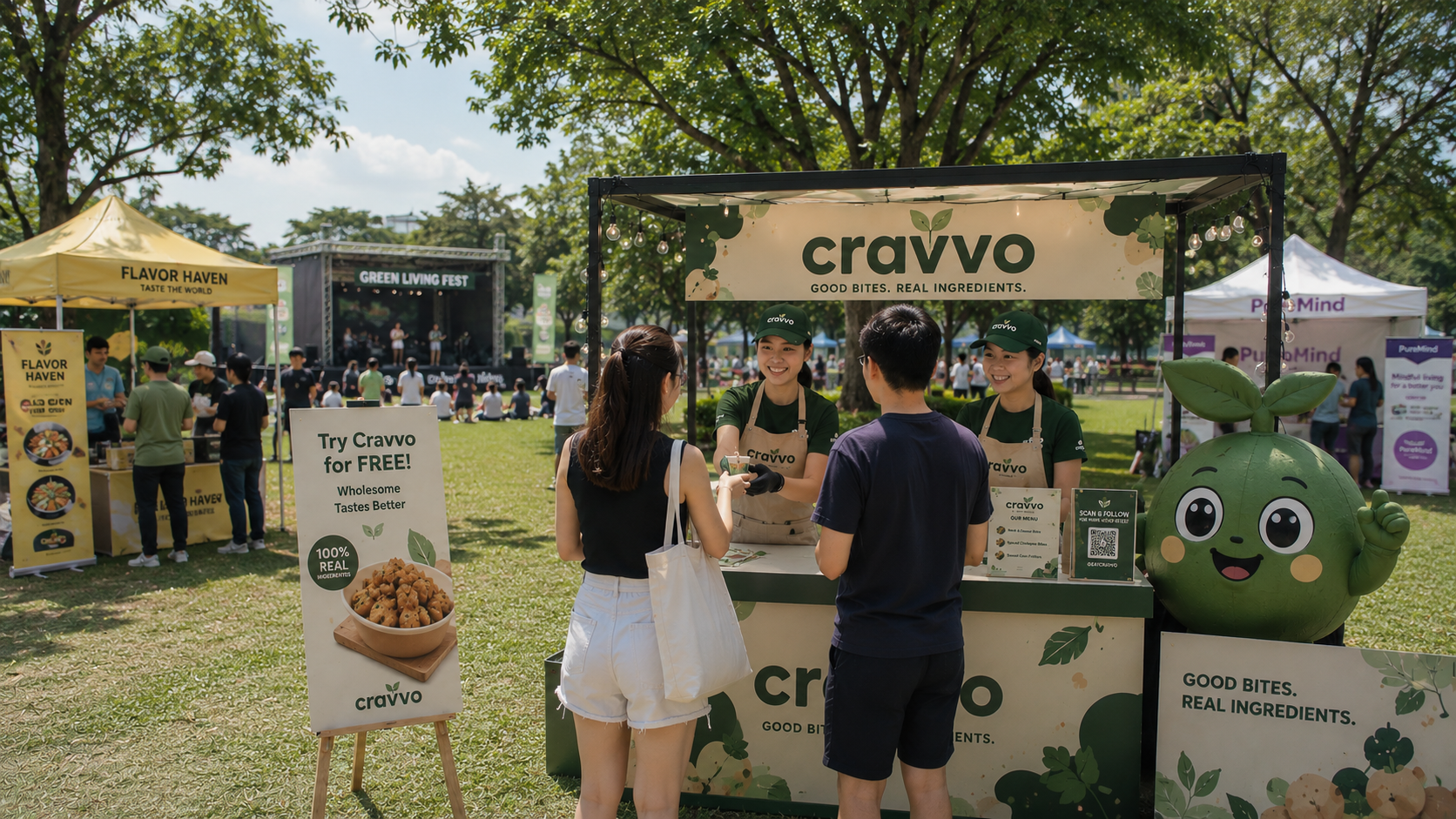
The benefits extend beyond daily operations. Customers are generally more comfortable approaching booths that appear clean and professionally managed, making interactions smoother and allowing staff to focus on customer service and sales. Food safety training also develops transferable skills such as responsibility, attention to detail, teamwork, and professionalism. For students and freelancers seeking part-time opportunities in Singapore, these competencies can improve employability and make them more attractive to employers looking for reliable event staff.
Why Food Safety Training Benefits Employers
For businesses, food safety training is closely linked to customer trust and brand reputation. A single hygiene issue can quickly damage customer confidence. That’s why employers or brands should also focus on food safety and hygiene. In food events where visitors have many options to choose from, cleanliness and professionalism often influence purchasing decisions as much as the food itself.
Singapore’s Environmental Sanitation Regime (ESR), introduced by the National Environment Agency (NEA), highlights the importance of maintaining high hygiene standards. Certain food establishments are required to implement environmental sanitation programmes that include routine cleaning schedules, six-monthly deep cleaning exercises, regular inspections, staff training, pest management plans, and cleaning protocols. The ESR also requires at least 10% of the premises to be inspected daily and after periodic cleaning and disinfection works, while ensuring workers are properly trained and equipped to carry out cleaning duties effectively.
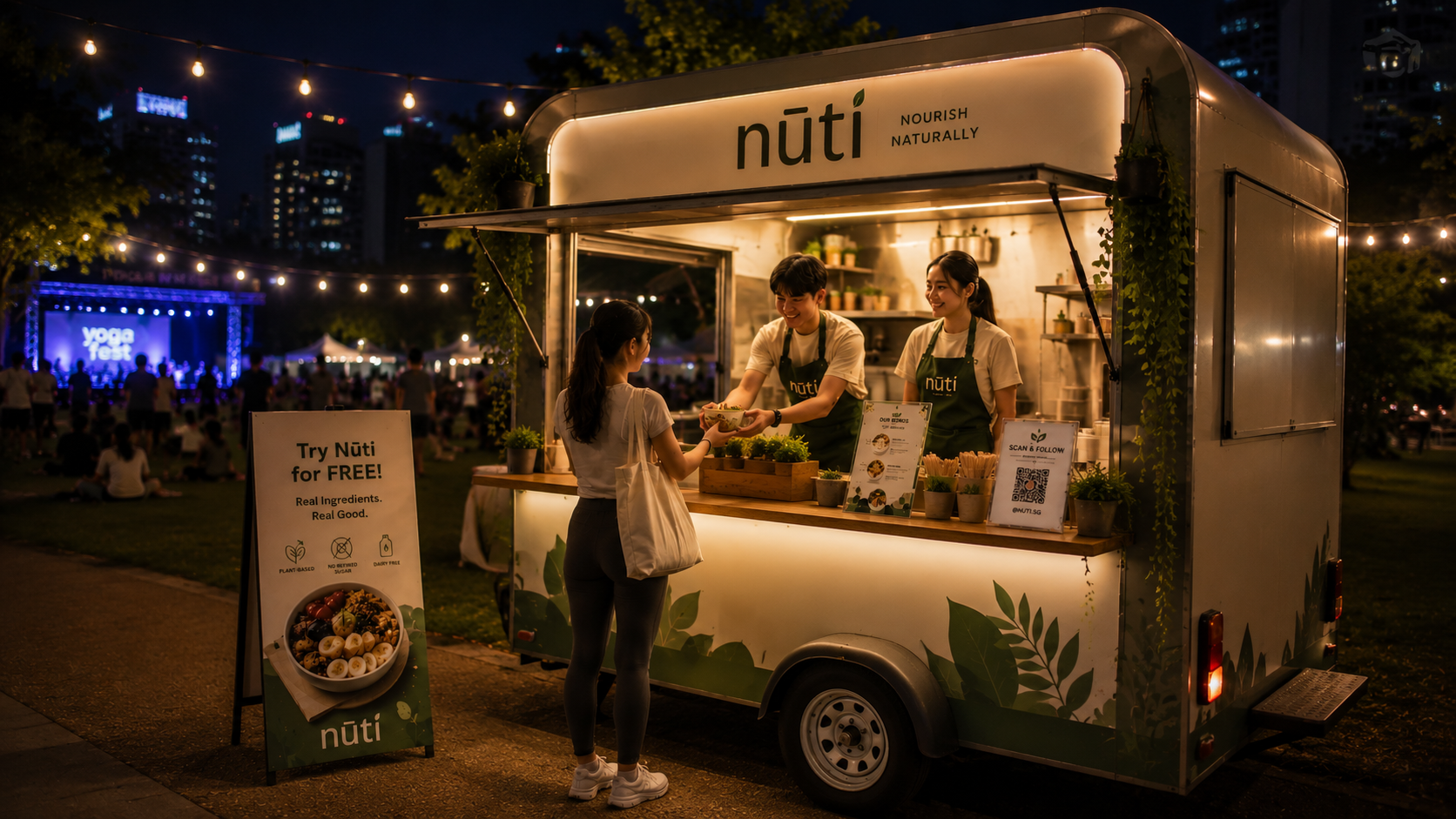
These requirements show that cleanliness is a structured process supported by training and accountability rather than appearance alone. At food events, trained staff become an extension of the employer’s brand. When customers see organised food preparation areas, proper hygiene practices, and professional staff behaviour, they are more likely to trust the business. Employers also benefit from smoother operations because trained staff require less supervision, understand hygiene expectations clearly, and are better prepared to handle challenges during busy event periods.
Closing
Food safety training is one of the most practical investments for both event workers and businesses in Singapore.
For employees, proper food safety and hygiene training creates a smoother working experience during events. Staff understand how to handle food safely, maintain cleanliness throughout the day, and respond appropriately to hygiene-related situations. This reduces uncertainty on the job and allows them to focus on serving customers confidently. Workers who possess food safety knowledge are also more attractive to employers, especially for food fairs, roadshows, festivals, and promotional events where hygiene standards are closely monitored.
For employers and brands, having trained event staff helps build customer trust from the moment visitors approach the booth. A clean and organised food stall reflects positively on the brand and demonstrates professionalism. Trained manpower can also help businesses maintain compliance with Singapore’s food safety requirements, reducing operational risks while creating a better customer experience.
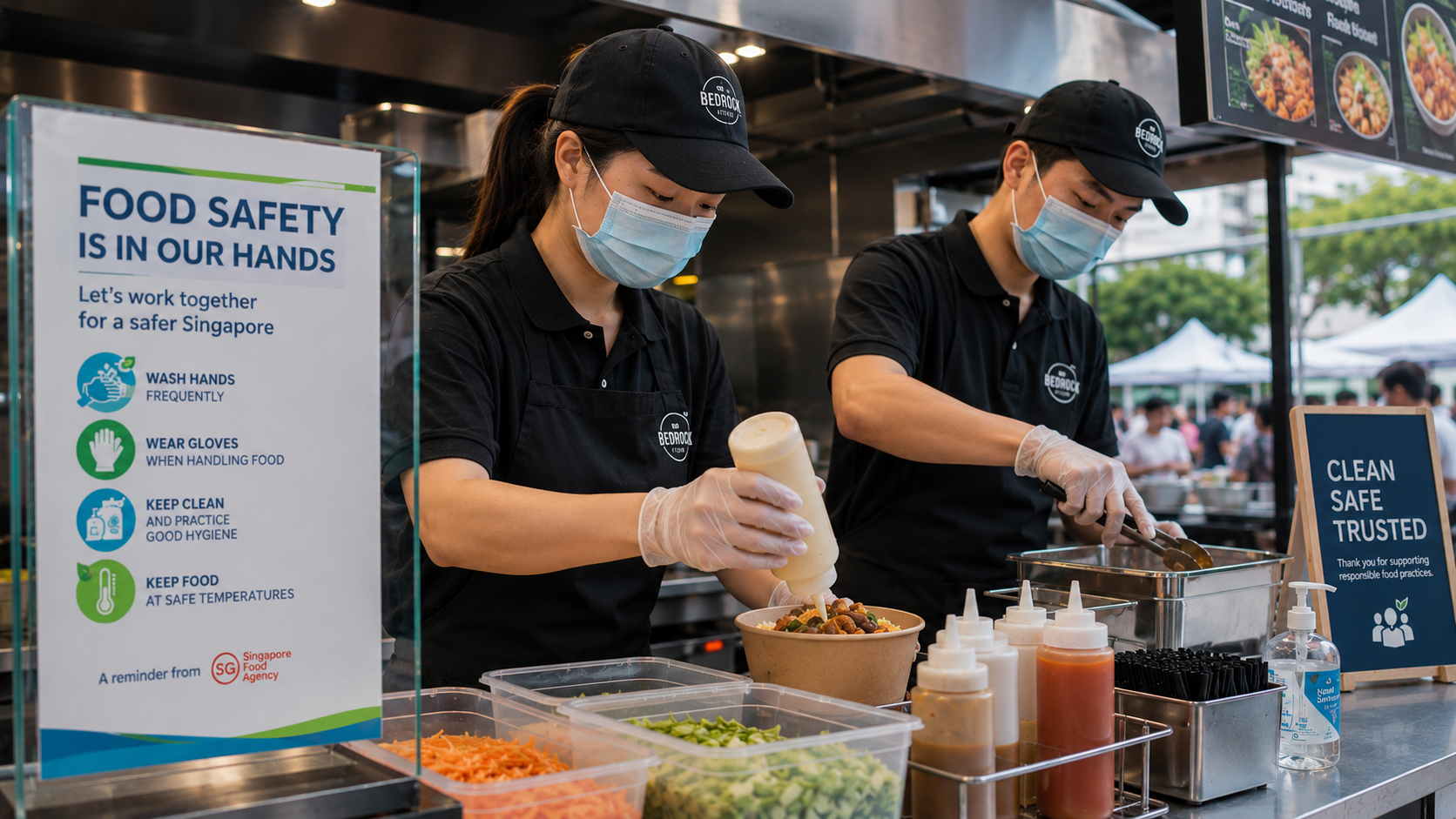
At HiFlyer, we understand that successful food events require more than manpower alone. We help connect brands with event staff who understand the importance of cleanliness, tidiness, and food safety practices. By working with trained and responsible personnel, businesses can focus on engaging customers and achieving event objectives while maintaining high hygiene standards.
This is becoming increasingly important as Singapore continues to strengthen its food safety ecosystem. Under the Singapore Food Agency’s Safety Assurance for Food Establishments (SAFE) framework, food stalls and food booths fall under Category 2 Food Establishments, alongside food stalls in coffee shops, canteens, food courts, hawker centres, takeaway outlets, and selected supermarkets. The SAFE framework was introduced to encourage food businesses to maintain strong food safety standards, build consumer trust, and provide greater transparency through food safety grading. Establishments with strong food safety track records can attain higher grades, while those with weaker records may be subjected to more frequent inspections.
For job seekers, this means food safety knowledge is becoming an increasingly valuable workplace skill. Event staff who understand food hygiene requirements, cleanliness standards, and proper food handling procedures are better prepared to support businesses that prioritise food safety. These experiences can help workers build practical skills that are transferable across the events, hospitality, retail, and food service industries.
As Singapore continues to raise food safety expectations through initiatives such as the SAFE framework, trained event staff will become even more important for businesses seeking to build customer trust. Whether you are a brand looking for dependable event manpower or an individual seeking event job opportunities, HiFlyer is ready to support your success through professional staffing solutions and a strong commitment to food safety and hygiene.